

Inside a Warehouse Walkthrough: What We Look for When Recommending New Carts
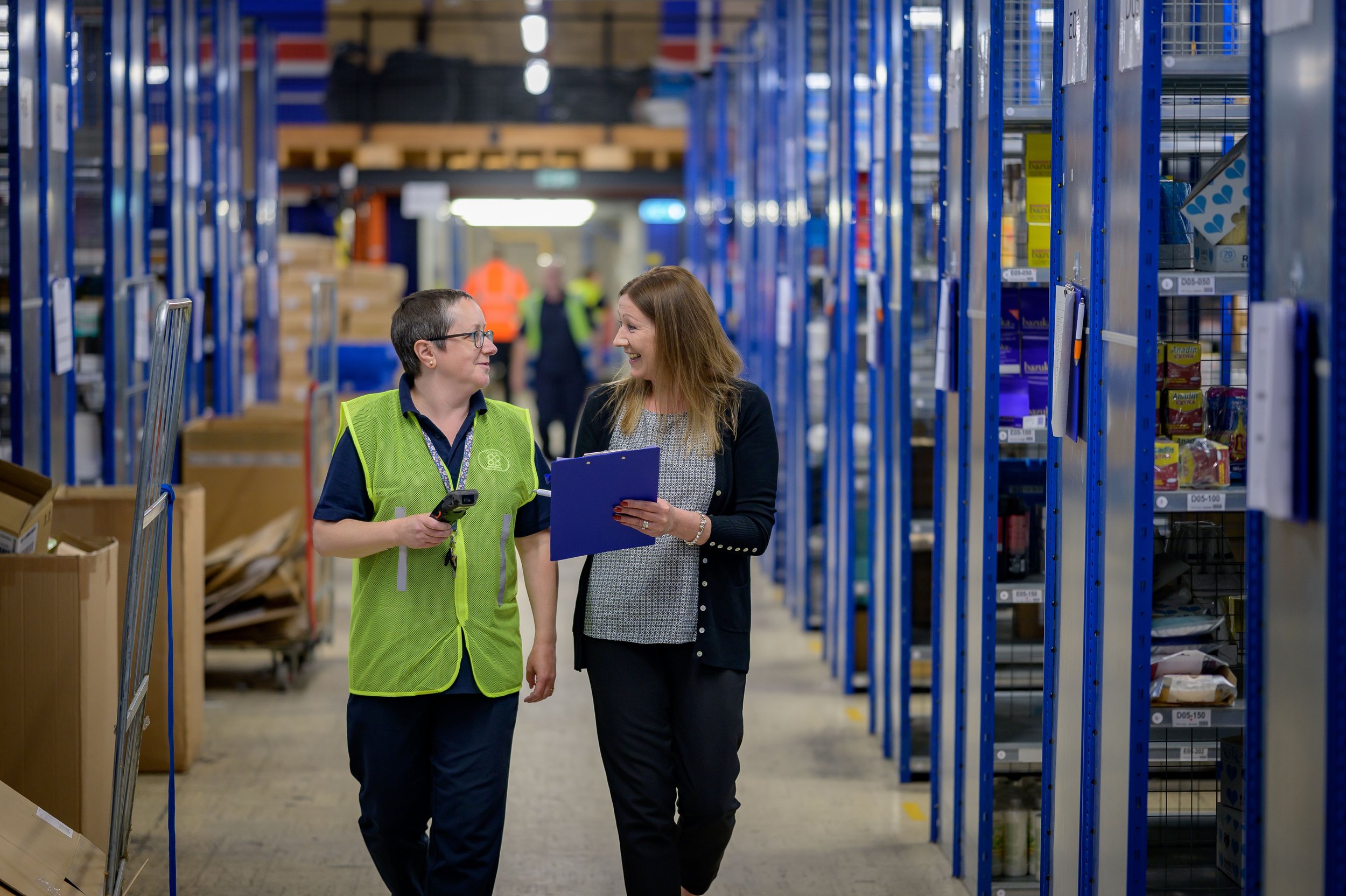
No two warehouses operate exactly the same, which is why there’s rarely a one-size-fits-all solution when it comes to warehouse carts.
Whether you're picking orders, transporting inventory, replenishing stock, or supporting shipping and receiving, the right material handling cart should complement your workflow—not force your employees to work around it.
When we visit a customer's facility, we aren't just looking at the carts they're currently using. We're looking at how people move through the space, where time is being lost, and what small improvements could make everyday tasks faster, safer, and more efficient.
Here are a few of the things we pay attention to during a warehouse walkthrough.
How materials move through the facility
The first thing we look at is the overall workflow. Where do products enter the process? Where are they stored? How are they picked, transported, packed, and shipped?
Understanding how materials move through the facility helps us determine whether the current material handling carts are supporting the workflow—or creating unnecessary delays.
Aisle widths and facility layout
Not every industrial cart works well in every facility.
Narrow aisles, tight corners, loading docks, elevators, and high-density storage all influence the ideal cart dimensions. A cart that's too wide can slow traffic, while one that's too small may require additional trips.
Choosing the right size and configuration helps improve warehouse efficiency while reducing congestion throughout the facility.
Floor conditions and wheel selection
One of the most overlooked parts of choosing a material handling cart is selecting the right wheels.
Smooth concrete, expansion joints, ramps, outdoor travel, mezzanine flooring, and uneven surfaces all affect how easily a cart rolls. During a walkthrough, we evaluate these conditions to recommend the best wheel and caster combination for the environment.
The products being transported
Every warehouse handles different inventory.
Heavy parts, small components, cartons, totes, oversized products, and fragile materials all have unique storage and transportation needs. Looking at the products being moved helps determine the ideal shelf spacing, weight capacity, and overall cart configuration.
A custom warehouse cart designed around your products often eliminates wasted space while making picking and transporting inventory much more efficient.
Where employees lose time
One of the biggest opportunities for improving warehouse efficiency is identifying repetitive tasks that don't need to happen.
For example, we often see employees making separate trips to grab a ladder, find a clipboard, or retrieve tools before completing a task. Those extra steps may only take a few seconds each, but over hundreds of picks each day, they add up.
Simple modifications can eliminate much of that wasted movement. Depending on the application, we may recommend adding:
Integrated ladder carts that allow employees to safely reach higher shelves without making a separate trip
Toolboxes or storage compartments for frequently used equipment
Scanner holders or printers connected to a portable battery
Clipboards or document holders for pick lists and paperwork
Cup holders or small personal storage to keep essentials secure and within reach
These may seem like small additions, but together they can create a more organized workstation on wheels that keeps everything employees need in one place.
How carts are actually being used
Perhaps the most valuable part of any walkthrough is simply observing.
Often, employees have already adapted to equipment that isn't quite right. They've developed workarounds, modified carts themselves, or changed their process to compensate for limitations.
Watching these real-world workflows helps uncover opportunities that aren't obvious from a specification sheet alone. Sometimes a small adjustment to shelf height, handle placement, wheel selection, or storage accessories can have a meaningful impact on productivity.
The best carts are designed around your operation
A successful warehouse cart isn't just built to carry products. It's designed around the people using it every day.
Taking the time to understand your workflow, your facility, and your employees allows us to recommend solutions that improve efficiency, reduce unnecessary movement, and make daily tasks easier.
Whether that means integrating a ladder, adding storage for tools and scanners, optimizing shelf layouts, or designing a completely custom solution, the goal is always the same: build a cart that works as hard as your team does.
If you're evaluating your current equipment or planning a new facility, our team is happy to help identify opportunities to improve your workflow with the right warehouse cart solution.